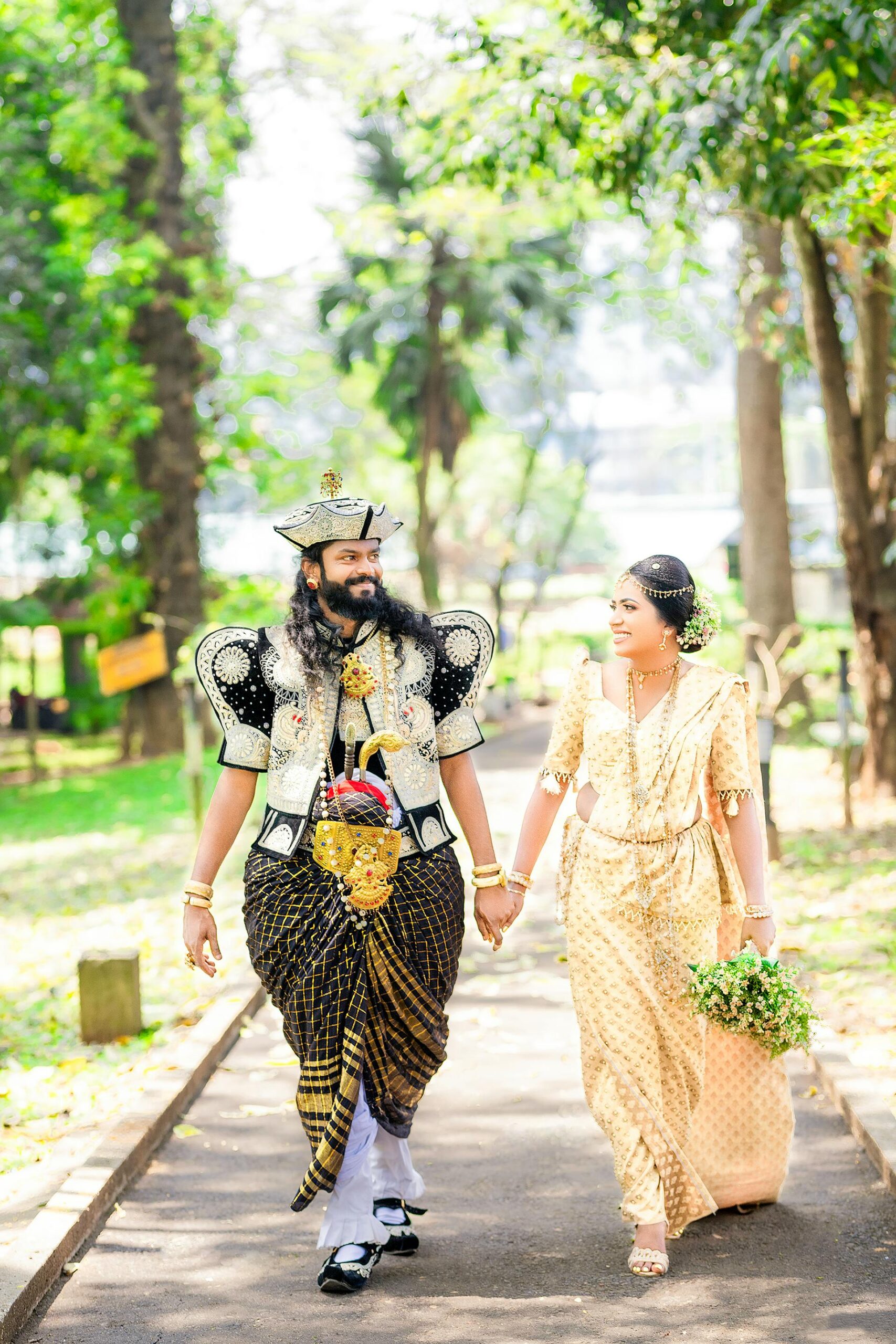
Sri Lanka’s traditional clothing reflects centuries of cultural heritage, craftsmanship, elegance, and identity. From the graceful Kandyan saree to traditional sarongs and ceremonial attire, Sri Lankan fashion tells a timeless story of tradition and artistry.


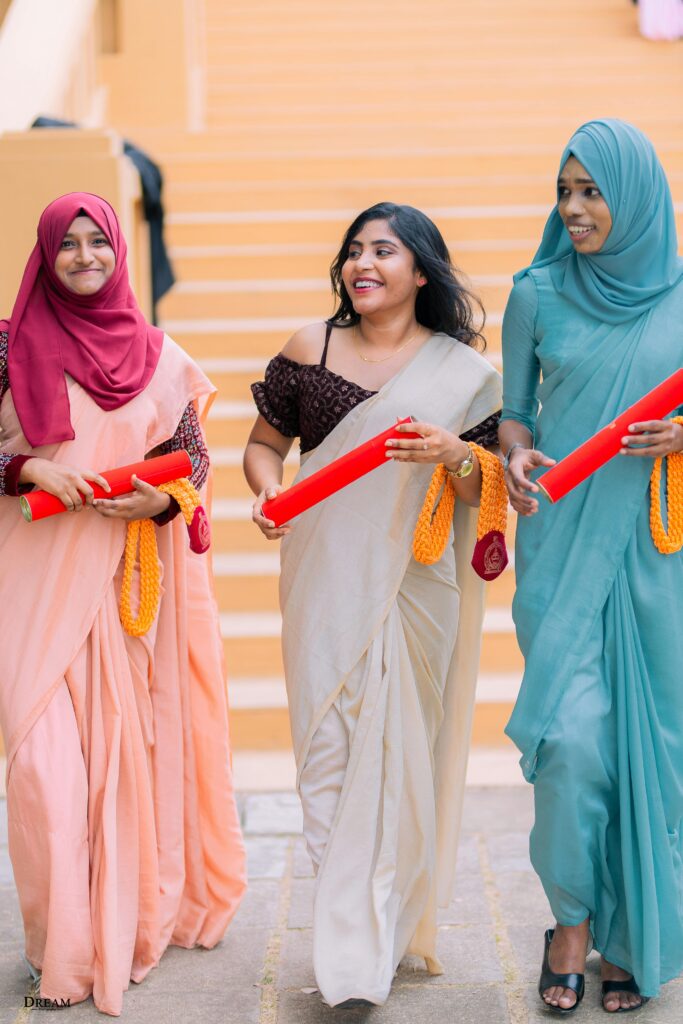


Traditional Sri Lankan Clothing and Fashion Heritage
Sri Lanka’s traditional clothing is a beautiful reflection of its rich cultural identity, historical influences, and artistic heritage. Across generations, clothing has symbolized social customs, religion, regional traditions, and ceremonial importance.
From elegant wedding attire to everyday traditional wear, Sri Lankan fashion combines comfort, cultural meaning, and timeless beauty.
The Kandyan Saree (Osariya)
The Kandyan saree, locally known as the Osariya, is one of Sri Lanka’s most iconic traditional female garments.
Recognized for its elegant draping style and royal appearance, the Kandyan saree is commonly worn for:
- Weddings
- Religious ceremonies
- Cultural performances
- Formal national events
Features:
- Distinctive frilled blouse design
- Decorative pleats
- Traditional jewelry
- Elegant royal appearance
This attire is deeply associated with Sri Lanka’s Kandyan heritage.
📍 Best associated with: Kandy / Central Province
Traditional Sarees
Beyond the Kandyan Osariya, Sri Lankan women wear a variety of saree styles influenced by local culture and South Asian traditions.
Common uses:
- Religious observances
- Office wear
- Ceremonies
- Family events
- National celebrations
Traditional fabrics include:
- Cotton
- Silk
- Handloom textiles
Sarong (Sarama)
The Sarong, locally called Sarama, remains one of Sri Lanka’s most recognized traditional garments for men.
Popular for:
- Casual wear
- Traditional gatherings
- Religious visits
- Village life
Its lightweight comfort makes it ideal for Sri Lanka’s tropical climate.
National Dress for Men
Traditional formal menswear often includes:
- White national suit
- Long tunic
- Sarong or formal trousers
- Traditional ceremonial attire
This style is commonly seen at:
- Weddings
- Religious ceremonies
- Government functions
- Cultural events
Traditional Bridal Fashion
Sri Lankan wedding attire is among the most elaborate cultural fashion traditions.
Popular bridal styles:
- Kandyan bridal wear
- South Indian-influenced Tamil bridal sarees
- Muslim wedding attire
- Modern traditional fusion designs
Bridal fashion includes:
- Gold jewelry
- Ornate hairstyles
- Embroidered fabrics
- Traditional accessories
Handloom and Textile Heritage
Sri Lanka has a strong tradition of handcrafted textiles and weaving.
Famous for:
- Handloom sarees
- Cotton weaving
- Traditional fabric craftsmanship
- Artisan textile production
Regions such as rural weaving communities preserve these heritage skills.
Cultural Costumes in Performance
Traditional dance costumes are highly significant.
Examples:
- Kandyan dance costumes
- Low country dance costumes
- Folk performance attire
- Ritual ceremonial dress
These costumes are rich in symbolism, ornamentation, and cultural meaning.
Fashion Evolution in Modern Sri Lanka
While modern fashion continues to evolve, traditional Sri Lankan clothing remains highly respected and widely used during festivals, ceremonies, weddings, and cultural celebrations.
The blend of heritage and contemporary style keeps traditional fashion alive.
Why Traditional Clothing Matters
Traditional clothing preserves cultural identity, craftsmanship, and social heritage. It represents Sri Lanka’s diversity, elegance, and historical continuity.