By Truth Media International
Vesak Poya: The Most Sacred Buddhist Celebration in Sri Lanka
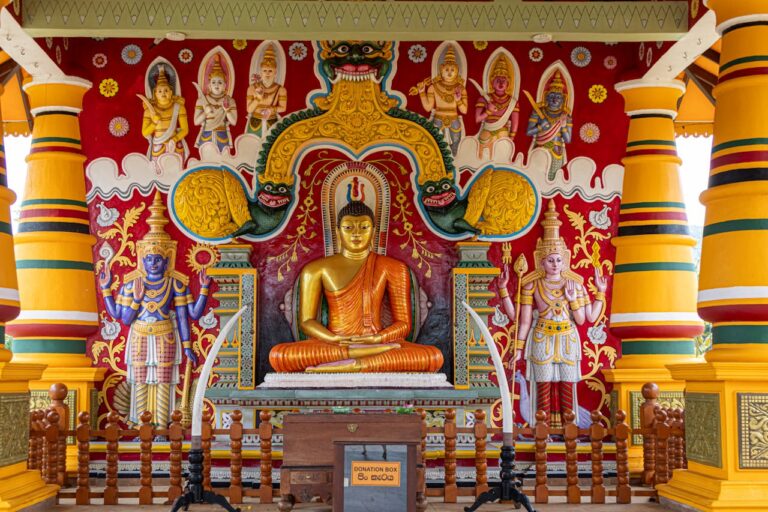
Vesak, also known as Buddha Purnima, is the most significant religious observance for Buddhists around the world. Celebrated on the full moon day of May, Vesak commemorates the three most important events in the life of Lord Buddha—His Birth, Enlightenment (Bodhi), and Passing Away (Parinibbana). Remarkably, Buddhist tradition holds that all three events occurred on the same full moon day of the month of Vesak.
In Sri Lanka, Vesak is more than a religious festival; it is a national and cultural celebration deeply woven into the country’s identity, values, and way of life. The festival reflects the timeless teachings of compassion, loving-kindness, generosity, and wisdom that have shaped Sri Lankan society for over two millennia.




Historical Significance of Vesak
The roots of Vesak in Sri Lanka date back to the introduction of Buddhism during the reign of King Devanampiyatissa in the 3rd century BCE. Buddhism was brought to the island by Arahat Mahinda Thero, the son of Emperor Ashoka of India.
Since then, Vesak has evolved into the most revered religious event in the country. Ancient chronicles such as the Mahavamsa describe how Buddhist teachings influenced governance, education, art, architecture, and social values throughout Sri Lankan history.
In 1999, the United Nations officially recognized Vesak as an international day of observance, acknowledging Buddhism’s contribution to humanity and world peace.
The Spiritual Meaning of Vesak
Vesak encourages Buddhists to reflect upon the core teachings of the Buddha:
- Compassion (Karuna)
- Loving-kindness (Metta)
- Generosity (Dana)
- Morality (Sila)
- Mindfulness (Sati)
- Wisdom (Panna)
The festival serves as a reminder to cultivate inner peace while extending kindness and support to others regardless of religion, ethnicity, or social background.
How Sri Lankans Celebrate Vesak
Visiting Temples
Millions of devotees visit Buddhist temples across the country to engage in religious observances, offer flowers, light oil lamps, meditate, and listen to Dhamma sermons.
Popular pilgrimage sites include:
- Sri Maha Bodhi
- Ruwanwelisaya
- Temple of the Sacred Tooth Relic
- Kelaniya Raja Maha Vihara
Observing Sil
Many devotees observe “Ata Sil” or “Dasa Sil,” dedicating the day to meditation, religious study, and spiritual reflection.

Offering Alms and Charity
Acts of generosity are a central feature of Vesak. Individuals, organizations, and communities organize charity programs, donate food, provide assistance to vulnerable groups, and engage in social service activities.
Vesak Lanterns and Decorations
Colorful Vesak lanterns (Vesak Kudu) illuminate homes, streets, and public spaces throughout the country. These lanterns symbolize the light of wisdom overcoming ignorance.
Pandals (Thorana)
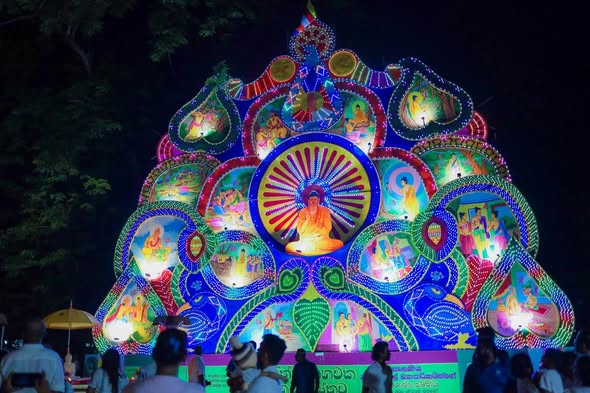
Large illuminated pandals depicting stories from the Buddha’s previous lives (Jataka Tales) are erected in many cities and towns. These artistic displays attract thousands of visitors each year.


Dansal Tradition
One of Sri Lanka’s most unique Vesak traditions is the “Dansal”—free food and beverage stalls established by individuals, businesses, and community groups. Visitors are offered meals, drinks, and refreshments without charge, reflecting the Buddhist virtue of selfless giving.

Vesak and Sri Lankan Culture
Over centuries, Vesak has become deeply integrated into Sri Lankan cultural life.
The festival influences:
- Traditional arts and crafts
- Literature and poetry
- Music and devotional songs
- Community service initiatives
- Family gatherings
- Educational activities
Schools, workplaces, government institutions, and private organizations often organize Vesak-related programs that promote unity and social harmony.
Even non-Buddhist communities frequently participate in celebrations, reflecting Sri Lanka’s multicultural and interfaith spirit.
Vesak in Modern Sri Lanka
Today, Vesak continues to evolve while preserving its spiritual essence.
Modern celebrations include:
- Environmentally friendly lantern competitions
- Digital Vesak exhibitions
- Online Dhamma discussions
- Community volunteer projects
- Blood donation campaigns
- Social media awareness initiatives
Many organizations use the Vesak season as an opportunity to promote peacebuilding, social responsibility, and sustainable development.
Vesak’s Global Recognition
Vesak is celebrated in numerous countries including:
- Sri Lanka
- Thailand
- Myanmar
- Cambodia
- Laos
- Vietnam
- Singapore
- Malaysia
- Japan
The annual observance highlights Buddhism’s enduring message of peace, tolerance, and human dignity across cultures and nations.
A Message for the Modern World
In an era marked by conflict, uncertainty, and rapid change, Vesak offers timeless lessons on compassion, mindfulness, and peaceful coexistence.
The teachings of the Buddha continue to inspire millions to build stronger communities, care for the environment, and foster understanding among people of diverse backgrounds.
As Sri Lanka celebrates Vesak, the festival remains a powerful reminder that true progress begins with inner transformation and kindness toward others.
Conclusion
Vesak is not merely a religious observance but a living expression of Sri Lanka’s spiritual heritage and cultural identity. From ancient kingdoms to the digital age, the festival has united generations through its message of wisdom, generosity, and compassion.
As lanterns illuminate homes and temples across the island, Vesak continues to inspire hope, harmony, and the pursuit of a more peaceful world for all.
“May the sacred Vesak season inspire us to lead with compassion, serve with integrity, and work together to create a more peaceful and inclusive world. Let us embrace the timeless teachings of the Buddha and transform them into meaningful actions that uplift our communities and future generations.”
— CEO, Truth Media International