
Experience the heart of authentic Sri Lanka through its peaceful villages, traditional homes, farming culture, handmade food, and close-knit community life. Sri Lankan village life offers a timeless glimpse into heritage, simplicity, and harmony with nature.


Sri Lankan Village Life and Traditional Living
Beyond Sri Lanka’s bustling cities and famous tourist destinations lies a peaceful world of traditional village life, where ancient customs, farming traditions, and close community relationships continue to shape everyday living.
Sri Lankan village life reflects simplicity, sustainability, hospitality, and a deep connection with nature.
Traditional Village Homes
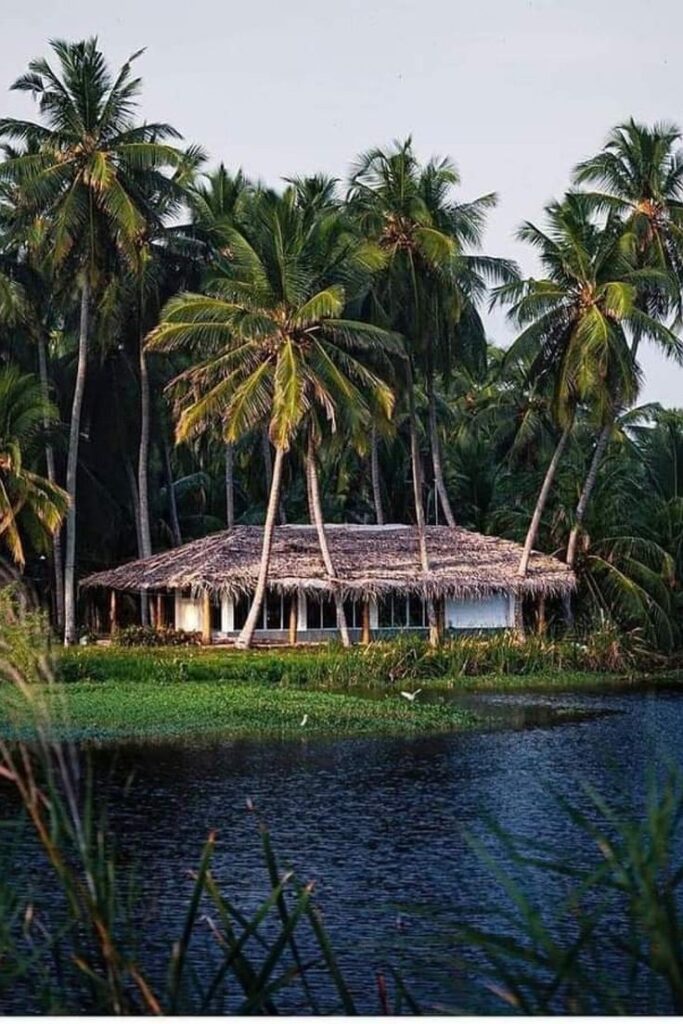

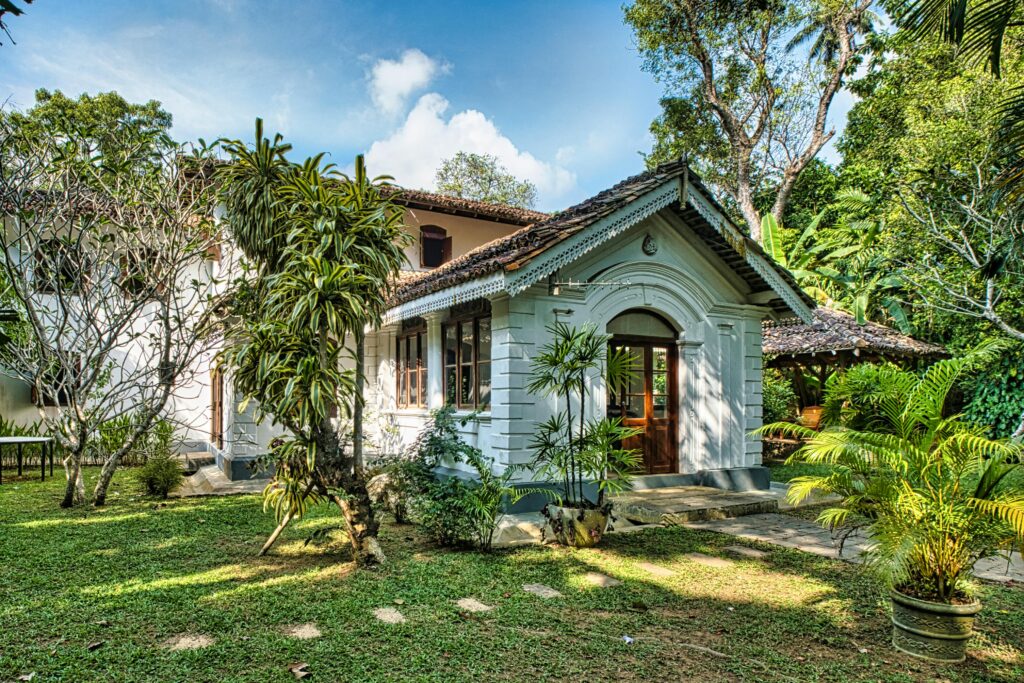
Traditional Sri Lankan village homes are designed to suit the tropical climate and practical daily living.
Common features include:
- Clay or brick walls
- Tiled or thatched roofs
- Open verandas
- Natural ventilation
- Spacious courtyards
- Home gardens
These homes create comfortable and eco-friendly living spaces.
Agriculture and Farming Culture
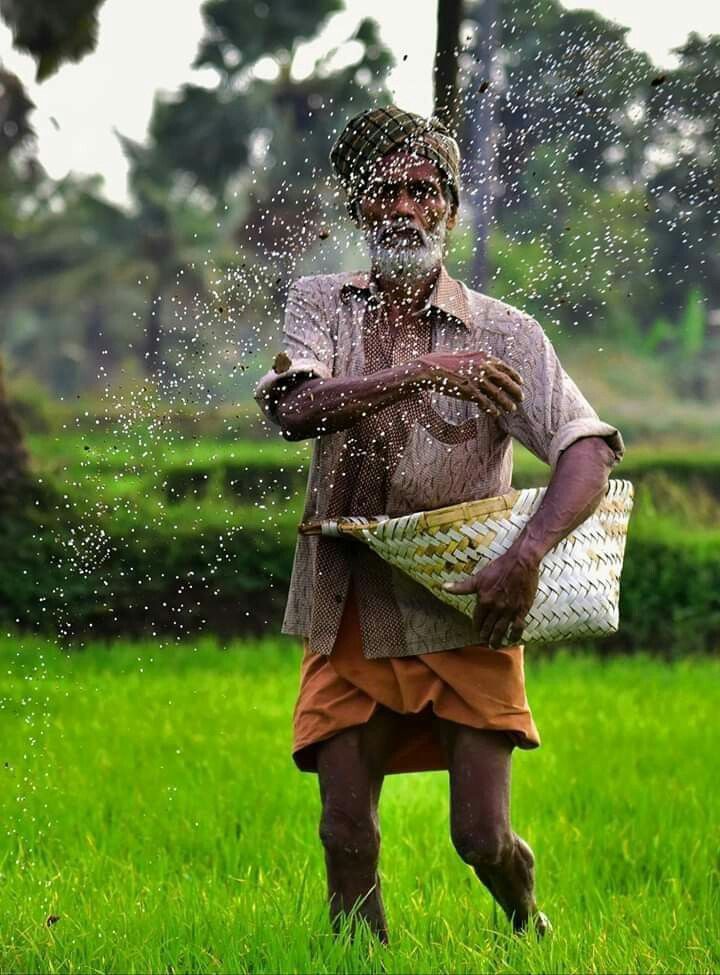

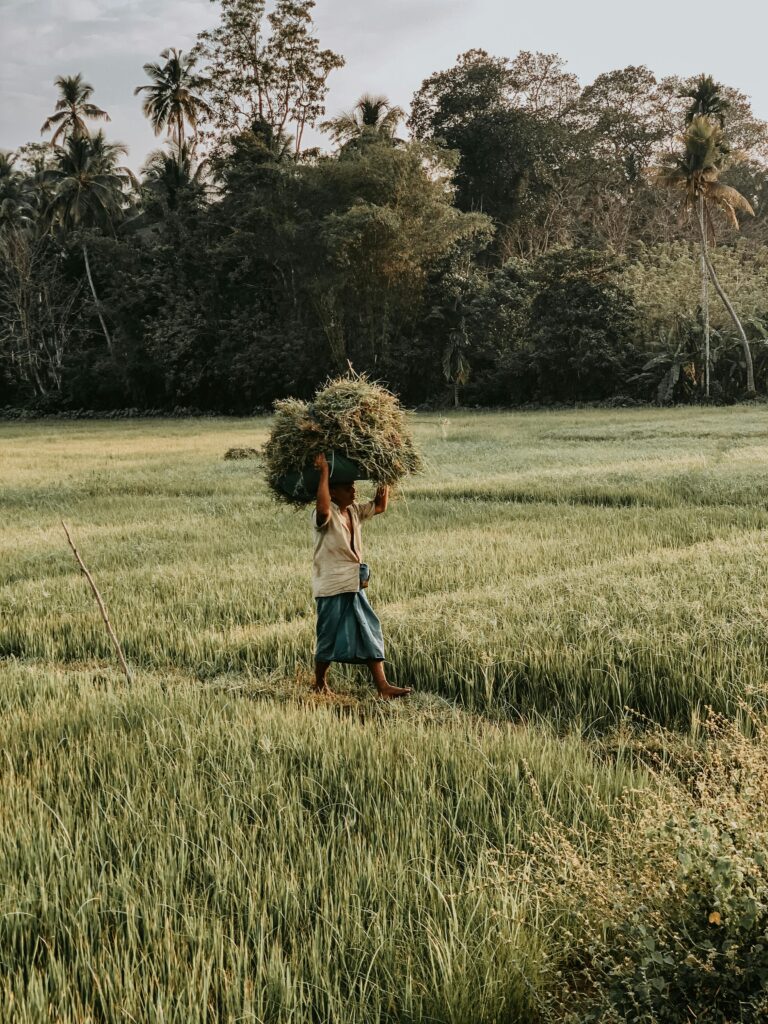
Farming remains central to village life.
Many communities depend on:
- Rice cultivation
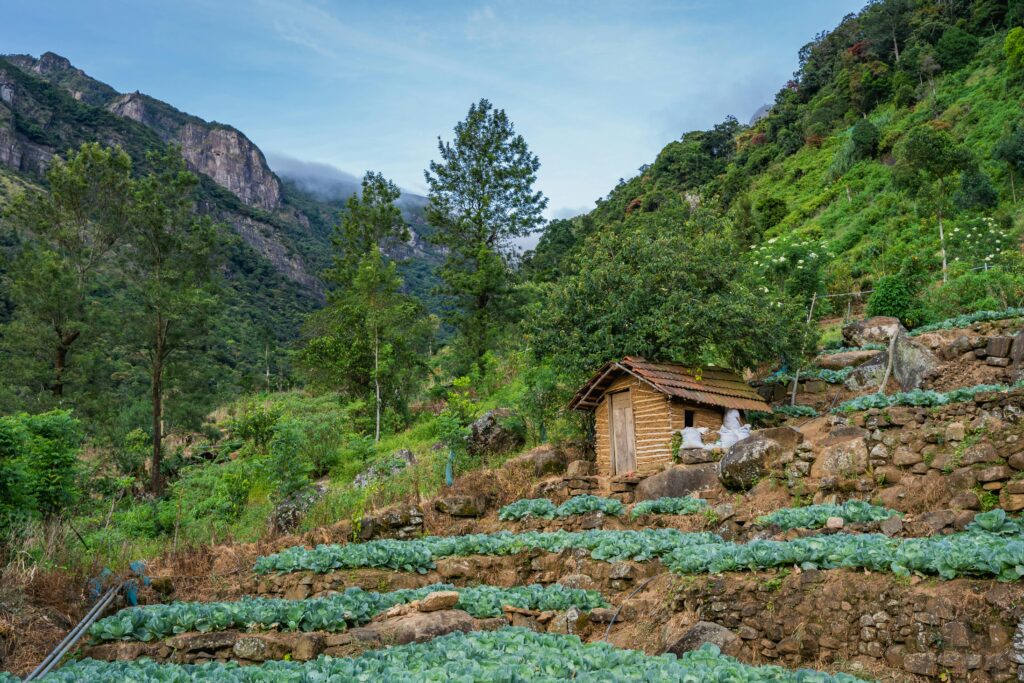
- Vegetable farming
- Coconut farming
- Fruit gardens
- Livestock care
- Fishing (in coastal villages)
Traditional farming practices often reflect generations of local knowledge.
Village Cooking Traditions
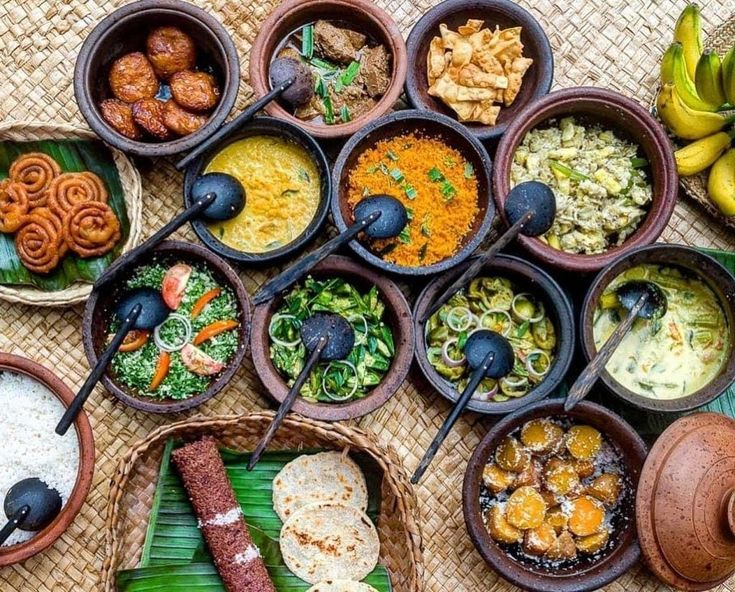
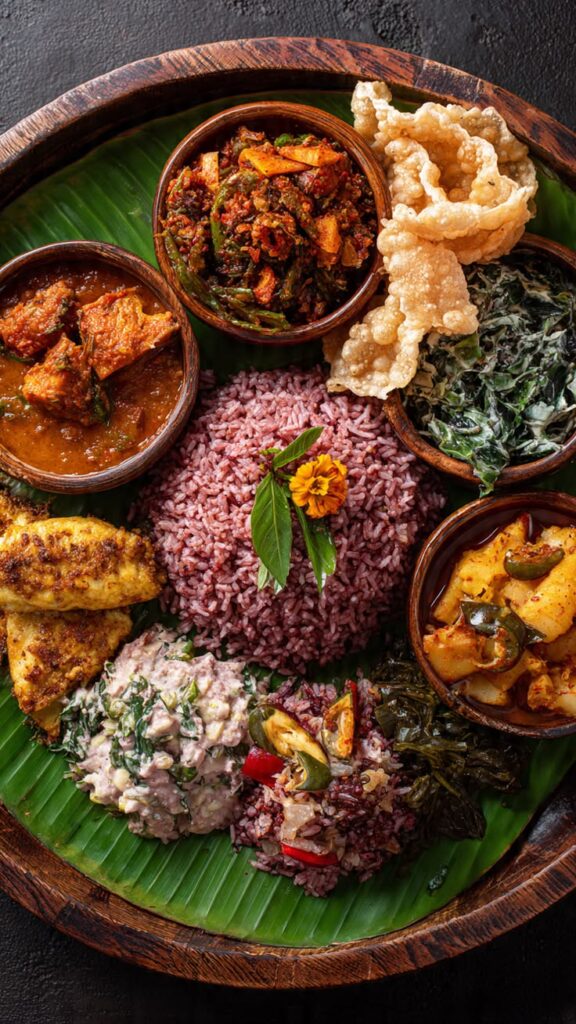

Food preparation in villages remains deeply cultural.
Traditional cooking methods include:
- Clay pot cooking
- Firewood stoves
- Coconut-based recipes
- Fresh garden ingredients
- Homemade spices
Popular village foods:
- Rice and curry
- Kiribath
- Pittu
- String hoppers
- Traditional sweets
- Herbal porridges
Meals often emphasize freshness and local ingredients.
Community and Social Life


Village communities are known for strong social bonds.
Everyday life includes:
- Shared celebrations
- Religious gatherings
- Mutual support
- Family-centered living
- Community farming activities
- Traditional games
Hospitality is a defining part of village culture.
Traditional Occupations and Crafts
Villages preserve many traditional livelihoods.
Examples:
- Pottery making
- Weaving
- Handloom production
- Wood carving
- Fishing
- Basket making
- Herbal medicine practices
These skills reflect Sri Lanka’s cultural resilience.
Religious and Cultural Traditions
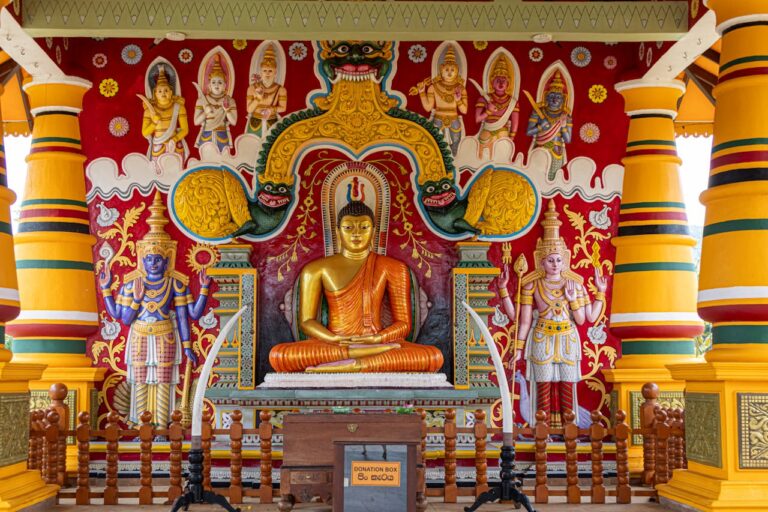
Temples, kovils, churches, and mosques often serve as cultural centers in village communities.
Important traditions include:
- Religious observances
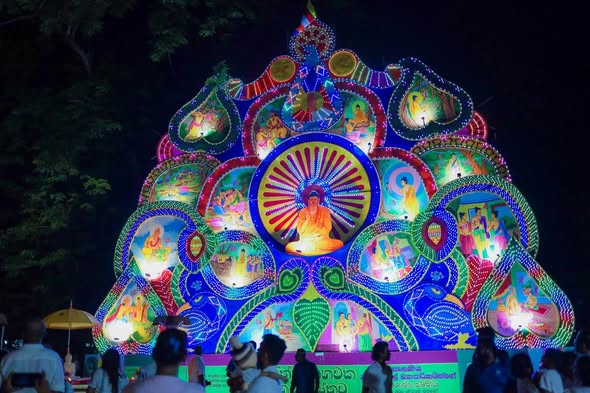
- Temple festivals
- Community processions
- Cultural rituals
- New Year customs
- Seasonal ceremonies
Village Nature and Environment
Village life remains closely connected to nature.
Typical surroundings:
- Paddy fields
- Lakes and tanks
- Forest edges
- Coconut groves
- Tea gardens
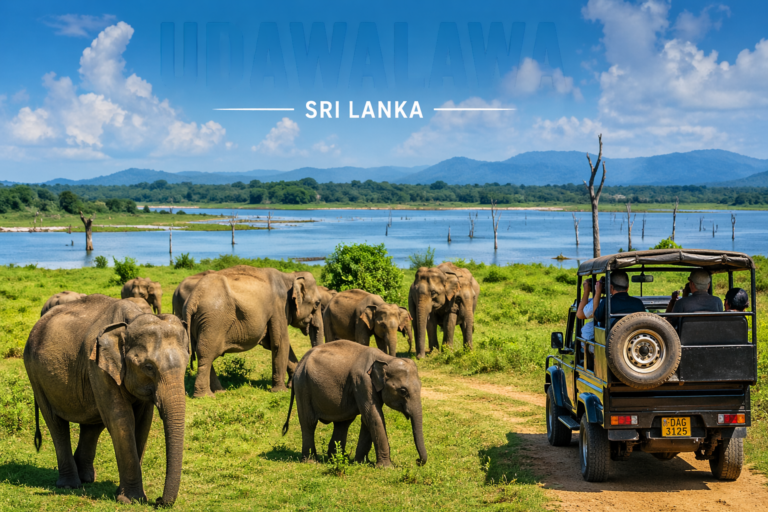
- Wildlife habitats
This peaceful environment attracts travelers seeking authentic rural experiences.
Village Tourism Experiences


Visitors can enjoy:
- Village tours
- Bullock cart rides
- Traditional cooking demonstrations
- Canoe rides
- Farm visits
- Cultural storytelling
- Handicraft workshops
Village tourism offers immersive cultural experiences.
Why Village Life Matters
Sri Lankan village life preserves heritage, sustainability, and authentic human connection. It represents the living soul of the island’s culture.