A Unique Spiritual and Cultural Heritage Site in Ratnapura





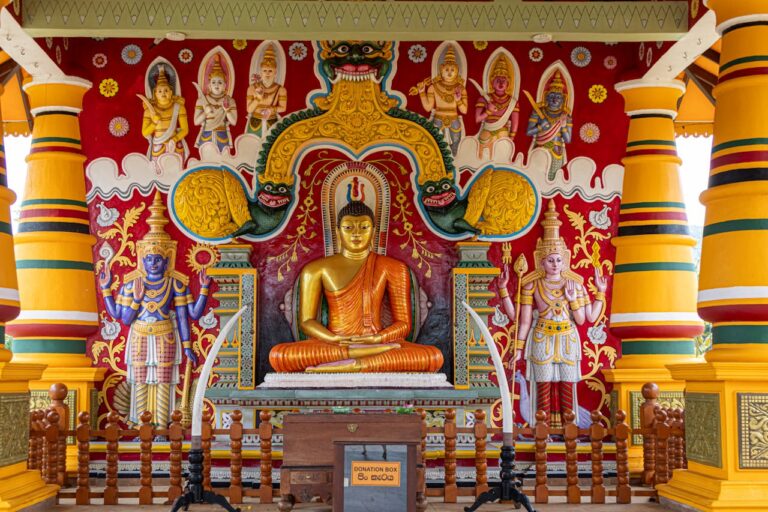
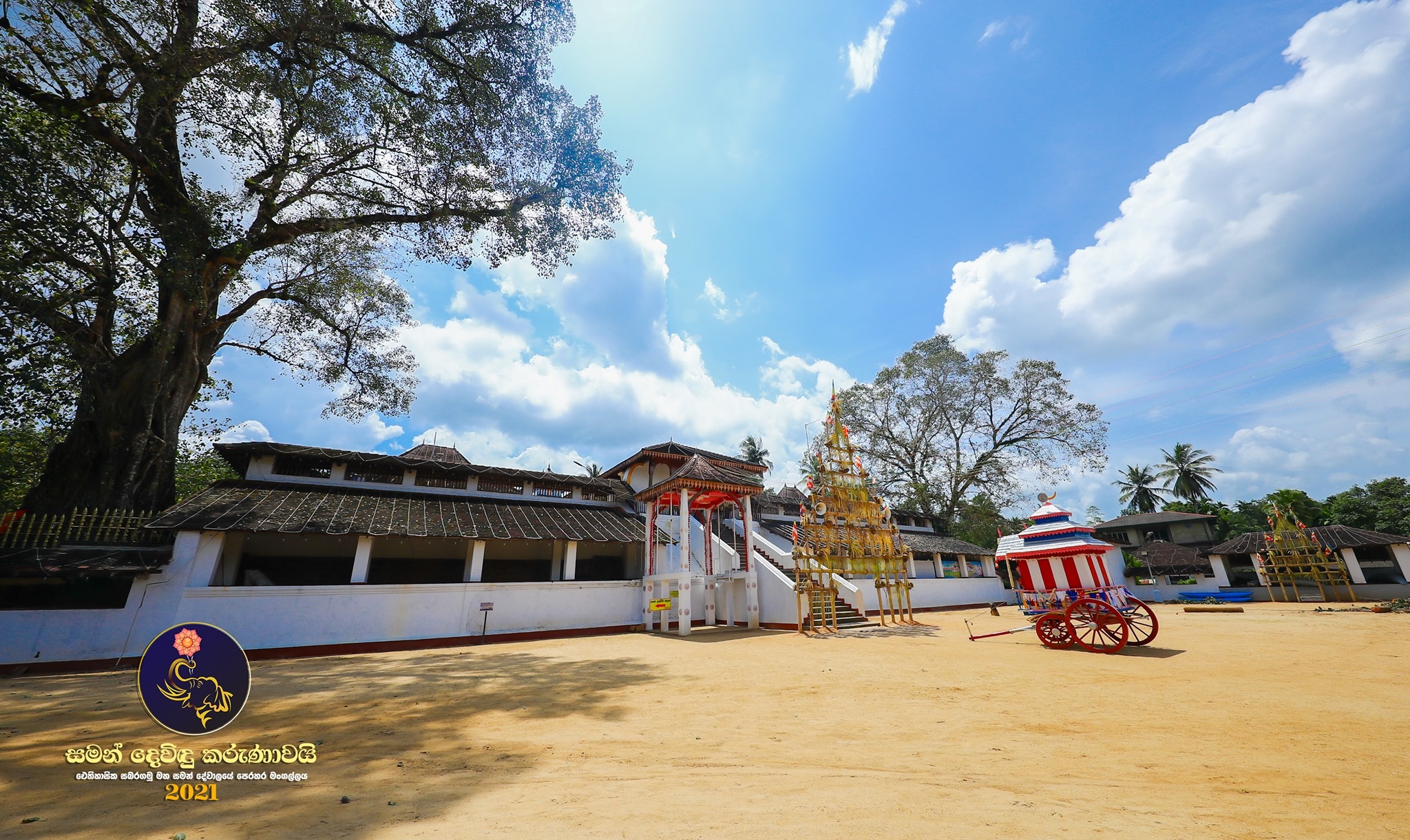
Located in the historic city of Ratnapura, the sacred Maha Saman Devalaya stands as one of Sri Lanka’s most important religious and cultural landmarks. Dedicated to God Saman, the guardian deity of Sabaragamuwa and Sri Pada (Adam’s Peak), this ancient shrine carries centuries of spiritual devotion, folklore, ritual traditions, and artistic heritage.
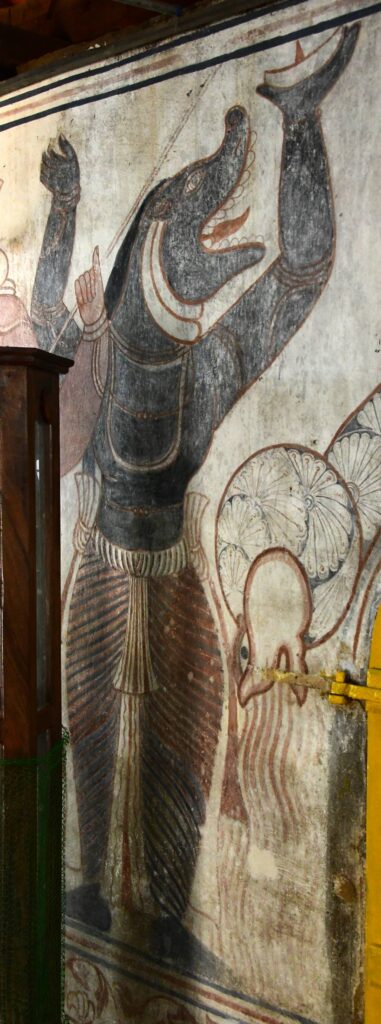
Among its most fascinating and mysterious features are the extremely rare Mahasohon paintings, which reflect Sri Lanka’s deep-rooted folk beliefs and ritual traditions.
The Legend of Mahasohon Yakka
According to ancient Sri Lankan folklore, the origin of Mahasohon Yakka is linked to the legendary era of King Dutugemunu (161–137 BC).
Historical legends describe a duel between Gothaimbara, one of King Dutugemunu’s greatest warriors, and a tribal leader named Jayasena, who lived in the mountainous region of Arittha Pabbatha (modern Ritigala).
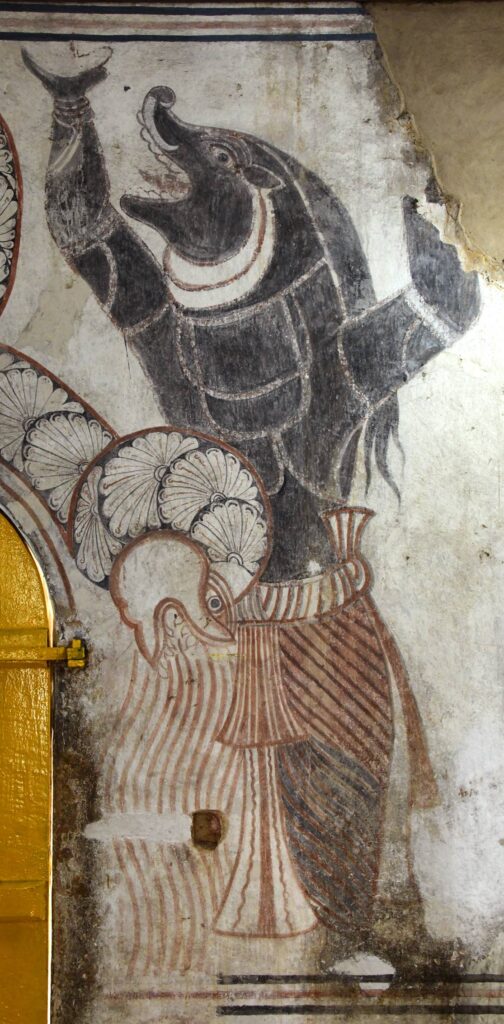
Following his death, Jayasena is believed to have been reborn as the fearsome demon known as Mahasohon Yakka, often depicted with a bear-like head and dark-colored body. Over time, this belief became deeply connected with Sri Lankan healing rituals, folk traditions, and protective ceremonies.
Mahasohon Rituals and Folk Traditions
The worship and ritual practices associated with Mahasohon became especially popular in the southern regions of Sri Lanka, particularly in Hambantota and Matara.
Traditional Bali and Shanthi Karma ceremonies often include:
- Demon masks
- Ritual paintings
- Healing performances
- Folk drumming
- Protective offerings
The famous Mahasohon Bali remains one of the most recognized ritual traditions in Sri Lankan folk culture.
The Rare Mahasohon Paintings at Maha Saman Devalaya
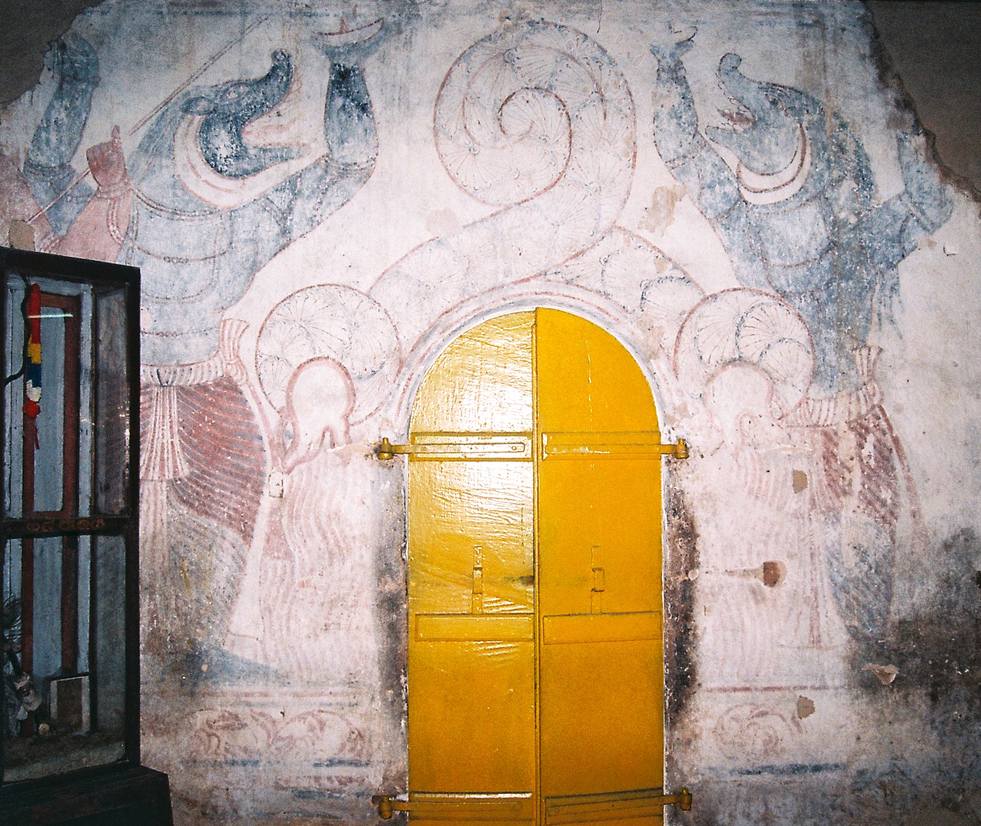
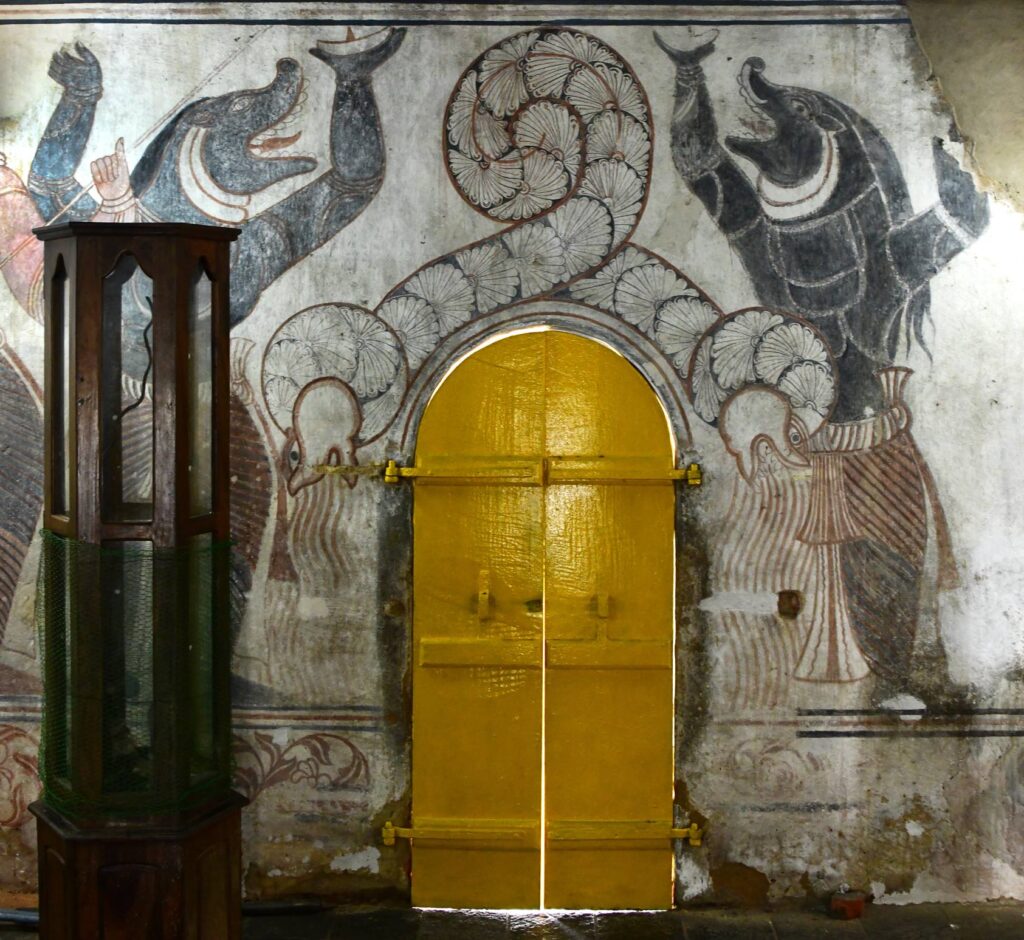
What makes Maha Saman Devalaya truly unique is the presence of two rare Mahasohon paintings inside the shrine complex.
These extraordinary paintings can be seen near the inner doorway of the temple’s sacred chamber. The artwork portrays Mahasohon with:
- A bear-like head
- Dark body coloration
- Traditional Bali art influences
- Distinct ritual symbolism
Such paintings are extremely rare within Sri Lankan temples and devalayas, making this site culturally and historically significant.
Experts believe these paintings are strongly connected to Sri Lanka’s traditional Bali painting traditions and ritual art heritage.
Historical Importance of Maha Saman Devalaya
Historical records suggest that the temple was originally constructed during the reign of King Parakramabahu II (1236–1270 AD).
Later, during the reigns of:
- King Parakramabahu VI
- King Rajasinghe I
the shrine became one of Sri Lanka’s most respected religious centers.
Although the temple suffered destruction during the Portuguese invasions, it was restored during the reign of King Rajasinghe II (1635–1687 AD).
Ancient manuscripts such as the Sirith Potha mention the restoration of:
- Temple buildings
- Ritual paintings
- Sacred artwork
- Decorative murals
Many of the murals visible today are believed to date back to this restoration period.
A Living Heritage Site
Today, Maha Saman Devalaya continues to serve as:
- A sacred pilgrimage destination
- A center of spiritual worship
- A cultural heritage monument
- A historical research site
- A symbol of Sabaragamuwa identity
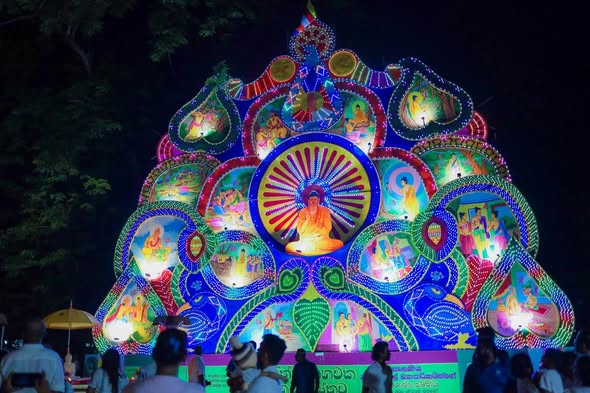
Its annual religious festivals and processions attract devotees and visitors from across Sri Lanka.
Why This Site Matters
Maha Saman Devalaya represents a remarkable blend of:
- Buddhist traditions
- Folk beliefs
- Ritual healing practices
- Ancient art
- Spiritual heritage
- Historical architecture
The rare Mahasohon paintings stand as valuable evidence of Sri Lanka’s unique cultural and ritual history.