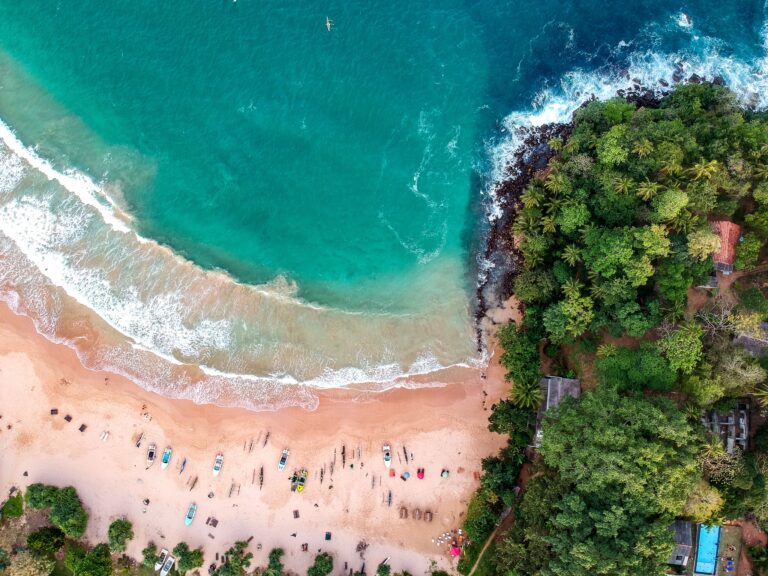

DAMBULLA, Sri Lanka — In the heart of Sri Lanka’s Cultural Triangle lies Dambulla, a destination where centuries of history, Buddhist heritage, remarkable art and the island’s natural beauty come together.
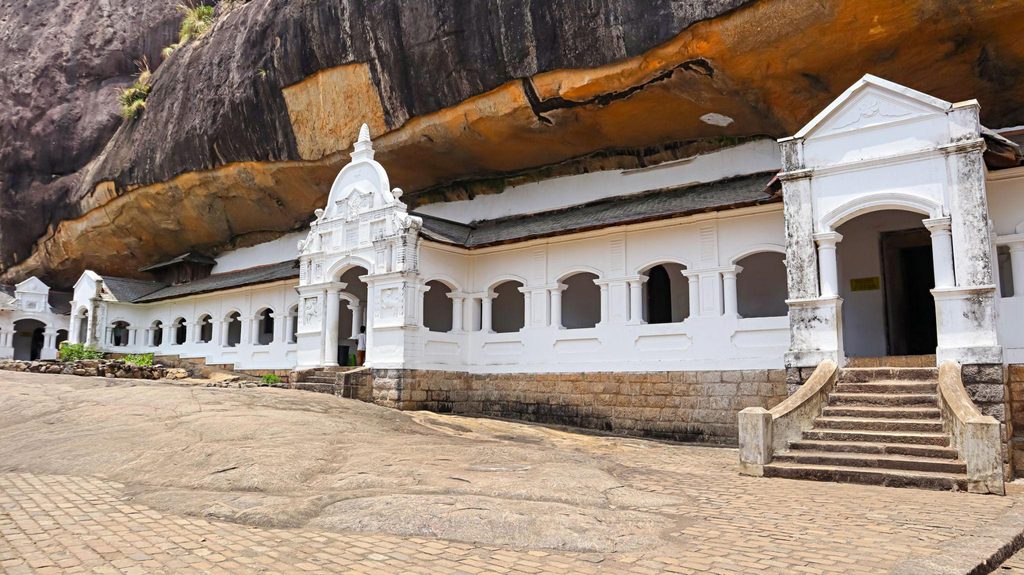


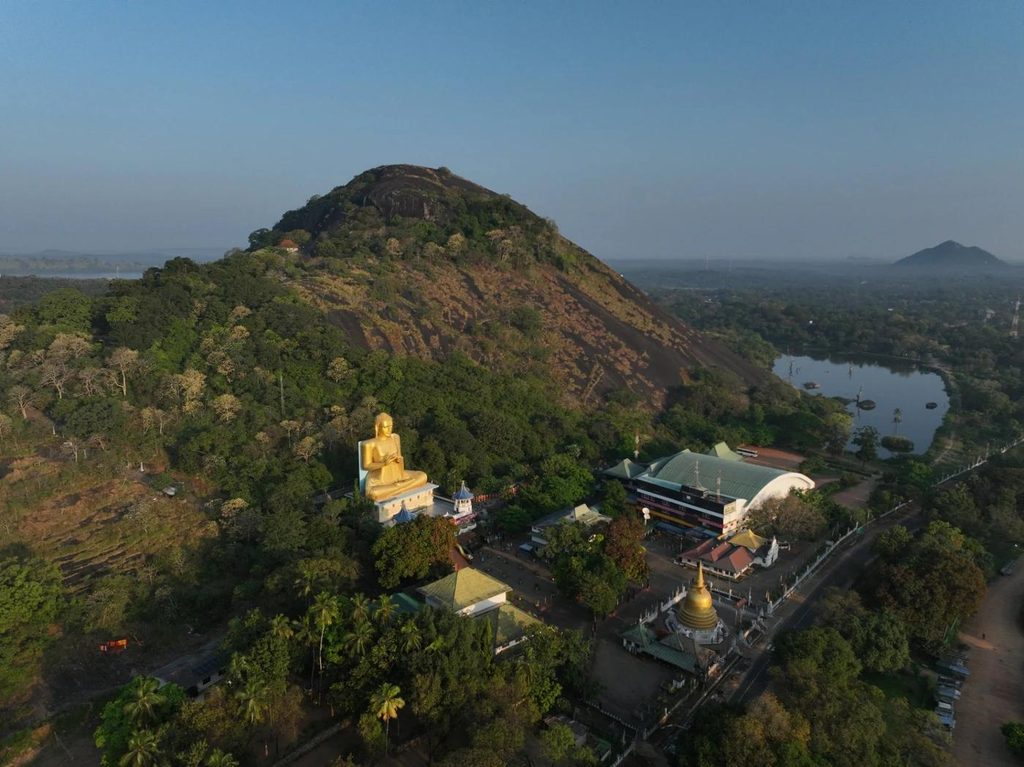
Best known for the Golden Temple of Dambulla, the city offers visitors an opportunity to step into Sri Lanka’s ancient past while experiencing the culture and everyday life of the country today.
For travellers exploring Sri Lanka, Dambulla is more than simply a stop between destinations. It is a gateway to understanding the island’s deep cultural and spiritual heritage.
A UNESCO World Heritage Treasure
The Rangiri Dambulla Cave Temple, commonly known as the Dambulla Cave Temple or Golden Temple of Dambulla, is one of the country’s most significant cultural landmarks.
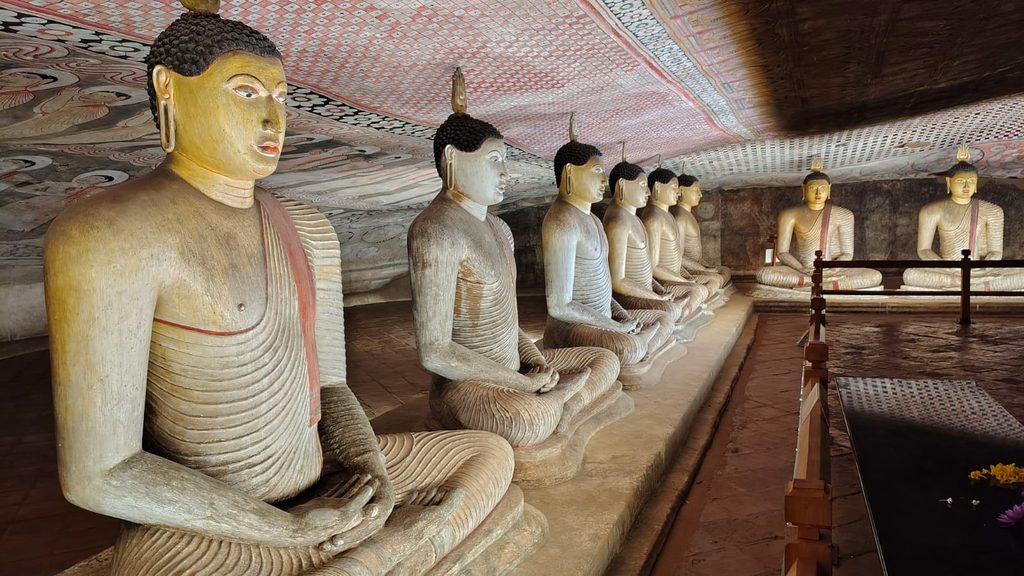
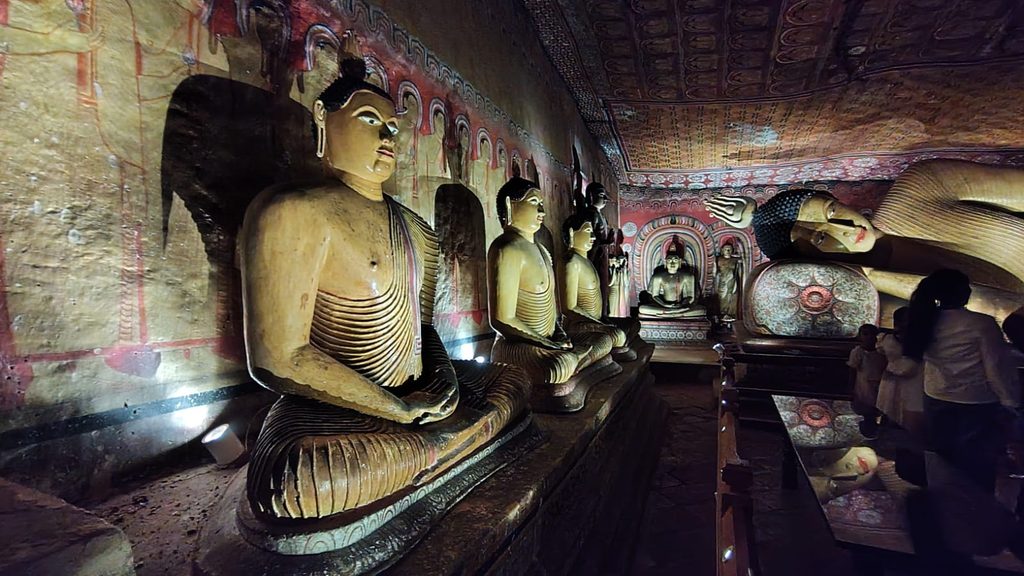
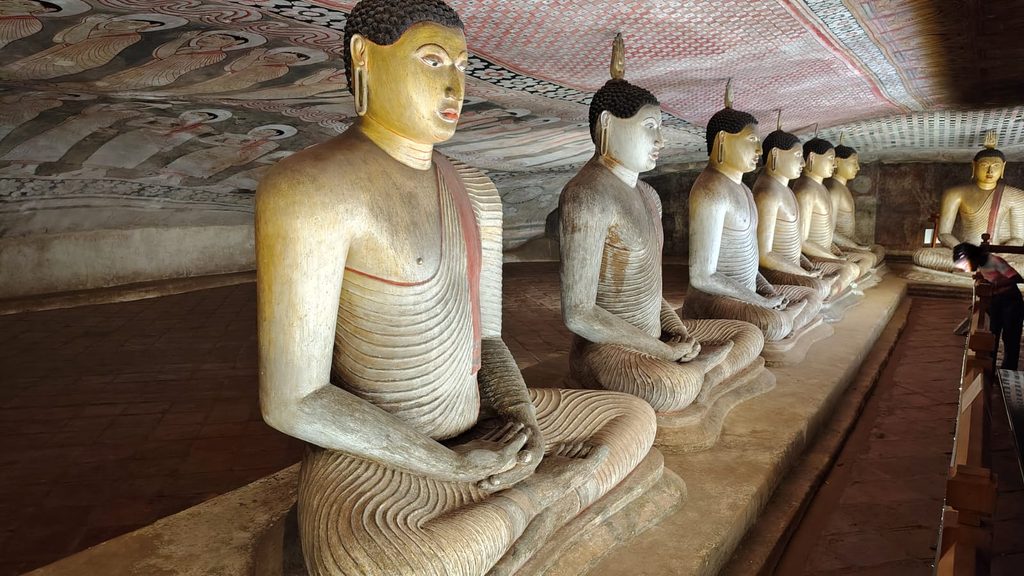
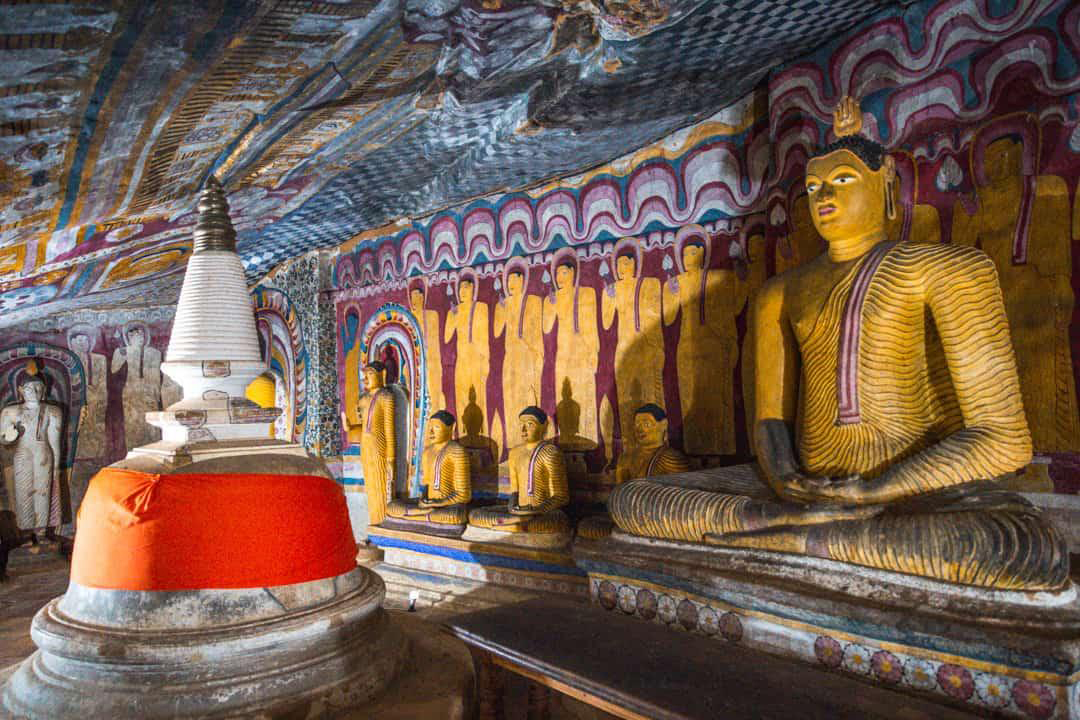
Recognised as a UNESCO World Heritage Site, the cave complex has a history stretching back more than two millennia. Its five principal cave sanctuaries contain an extraordinary collection of Buddhist statues and extensive mural paintings, reflecting different periods of Sri Lankan religious and artistic history.
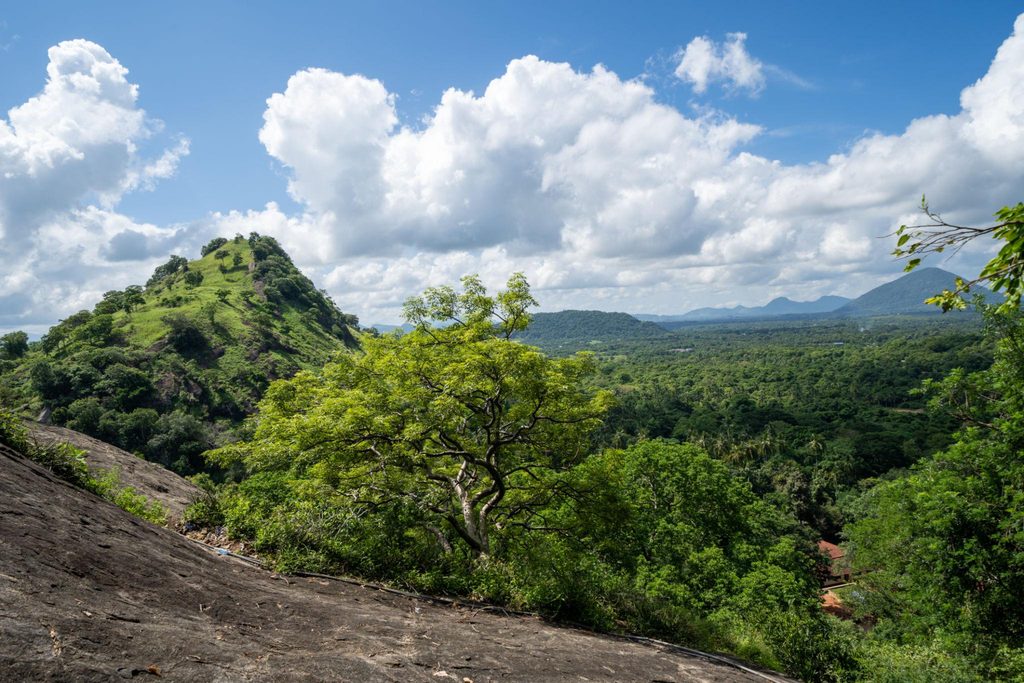
Visitors climbing towards the caves are rewarded not only with the historic sanctuary but also with impressive views across the surrounding landscape.
Inside, the atmosphere changes dramatically. Statues of the Buddha, religious figures and historic rulers appear beneath richly decorated cave ceilings and walls, creating a remarkable visual record of Sri Lanka’s Buddhist heritage.
More Than an Ancient Temple
Although the cave temple is Dambulla’s most internationally recognised attraction, the character of the area extends far beyond its ancient monuments.
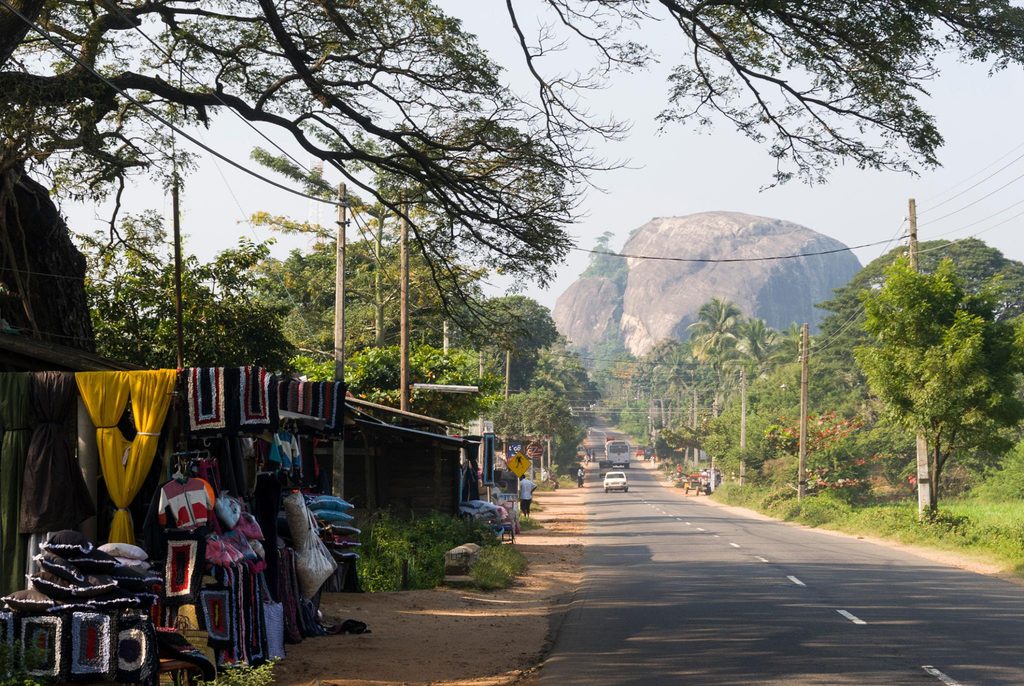
Dambulla is surrounded by agricultural landscapes, villages and tropical scenery. The area also plays an important role in the distribution of agricultural produce, connecting farming communities with markets elsewhere in the country.
For international visitors, this combination provides a chance to experience two sides of Sri Lanka — its celebrated ancient civilisation and the daily life of a modern Sri Lankan community.
At the Heart of Sri Lanka’s Cultural Triangle
Dambulla’s central location makes it an important base for travellers exploring Sri Lanka’s Cultural Triangle.
The ancient city of Sigiriya, with its iconic rock fortress, lies nearby, while other major cultural destinations including Polonnaruwa and Anuradhapura can be incorporated into a wider journey through the region.
This makes Dambulla particularly attractive for travellers interested in history, archaeology, religion, photography, nature and Sri Lankan culture.



A Living Buddhist Heritage
One of the most important aspects of Dambulla is that its heritage is not confined to the past.
Buddhism remains deeply connected with everyday life in Sri Lanka, and Dambulla continues to hold religious significance. Visitors therefore encounter not simply an archaeological attraction, but a place where history, faith and contemporary life continue to meet.
Visitors to religious sites are encouraged to respect local customs, dress appropriately and behave respectfully within temple premises.
Why Dambulla Deserves a Place on Your Sri Lankan Journey
Dambulla captures many of the qualities that make Sri Lanka distinctive: ancient history, living religious traditions, artistic achievement, dramatic landscapes and welcoming communities.
Whether you come to admire centuries-old cave paintings, learn about Buddhist heritage, photograph the surrounding landscape or continue towards the other historic destinations of the Cultural Triangle, Dambulla offers an experience that reaches far beyond sightseeing.
It is a place where Sri Lanka’s past remains visible in the present — and where visitors can gain a deeper understanding of the history and cultural identity of the island.
Truth Media International invites you to discover Dambulla and explore the remarkable heritage, people and landscapes of Sri Lanka.